

Chilkat and Klehini Rivers
What we’re facing now is the permanent warming and drying of the American Southwest. Scientists have a new term for this, called “aridification’. What we’re seeing here is anything but normal, because normal implies predictability – climat change has ‘change’ in it for a reason.
— Brad Udall, Senior Water and Climate Research Scientist/Scholar at Colorado State University
Most endangered rivers
Threat: Mining
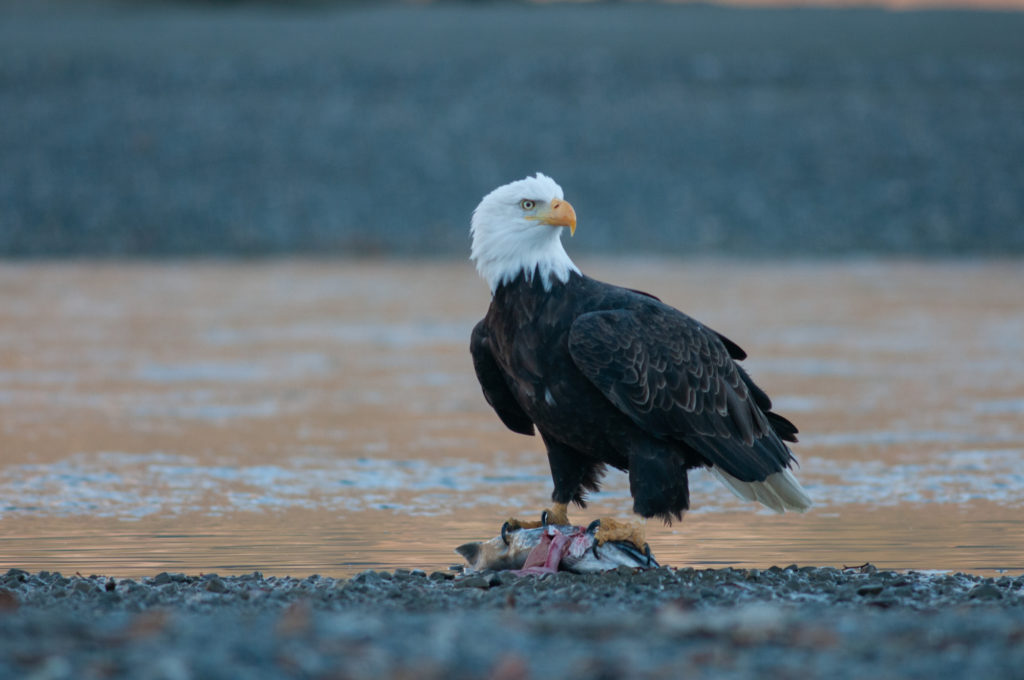
Every year, hundreds of thousands of salmon swim from the Pacific Ocean into the Jilḵáat Aani Ḵa Héeni (Chilkat River watershed) to spawn. Alaska natives and other communities depend upon the river and its abundance for their culture and livelihood. But the Palmer Project, a proposed copper and zinc mine, is about to move to the next stage of development that could result in the release of hundreds of thousands of gallons per day of toxic wastewater, contaminating nearby creeks that feed directly into the Klehini and Chilkat rivers and crippling the entire ecosystem of the Chilkat Valley. This is in addition to the already concerning impacts of climate change, such as rapid glacier melting and a historic increase of rainfall. Congress and the Environmental Protection Agency (EPA) must act now to ensure the fundamental protections guaranteed by the federal Clean Water Act are not abandoned and a grave environmental injustice is not allowed. EPA must intercede immediately and direct the mining consortium to apply for a standard surface water discharge permit that will require meeting all applicable State and federal Water Quality Standards.
List heading
- List item
- List item
- List item
Protect the Chilkat and Klehini Rivers
Tell Congress and the EPA to uphold the Clean Water Act and ensure proper permitting to protect the rivers and their ecosystems